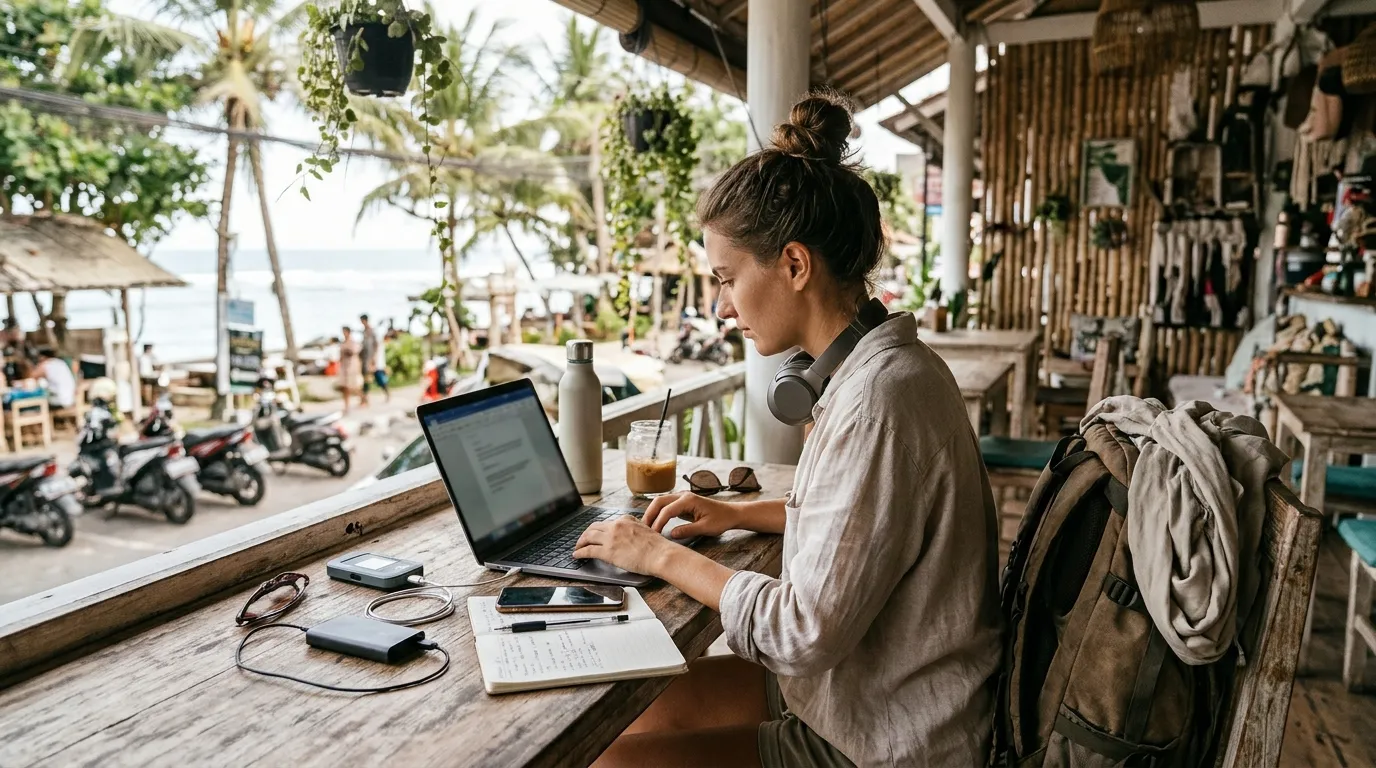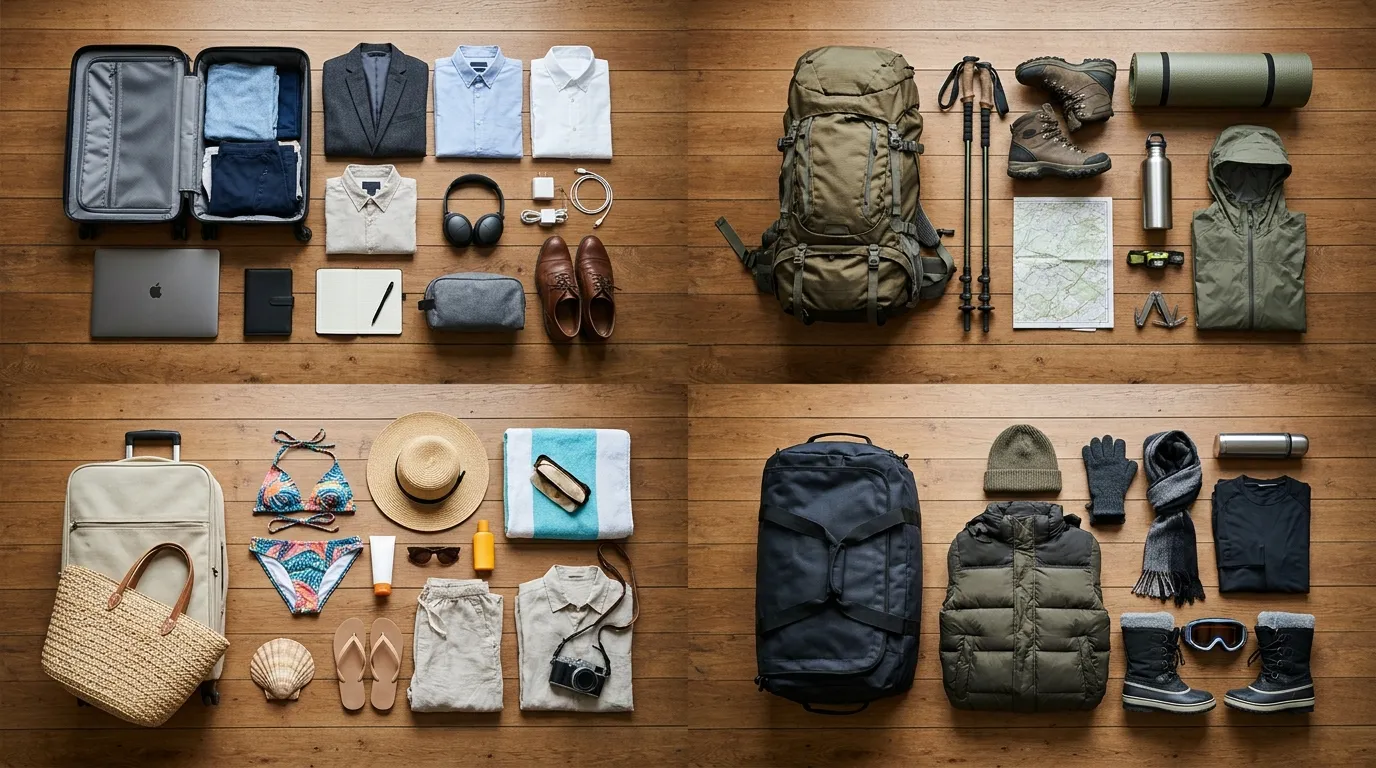
Effective packing is the foundation of a smooth, stress-free journey. The secret to packing well is not bringing more "just in case," but tailoring your gear, wardrobe, and supplies specifically to the climate, cultural context, and itinerary of your destination.
This comprehensive guide outlines core packing strategies, destination-specific checklists, and a capsule wardrobe framework designed to keep your luggage light, functional, and completely compatible with professional editorial standards.
Part 1: The Universal Travel Essentials (Pack First)
Regardless of where you are traveling or how long you will be away, certain items are non-negotiable for safety, health, and legal compliance. These items should always be accounted for before packing any destination-specific clothing or gear:
- Critical Legal Documents: Original passport (valid for at least six months beyond your scheduled return date), required visas, physical and digital copies of your travel insurance policy, return flight itineraries, and hotel booking confirmations.
- Financial Access: At least two independent payment methods (credit or debit cards with zero foreign transaction fees) stored in separate compartments, along with a small amount of local physical currency for initial transit or small cash-only vendors.
- Health and Comfort Supplies: Essential prescription medications in their original pharmacy bottles with your name clearly visible, a compact first-aid kit containing pain relievers, anti-diarrheal medication, antihistamines, and adhesive bandages, and a universal travel adapter.
- Electronics and Power: Smartphone, necessary charging cables, and a reliable portable power bank (always kept in your carry-on luggage for airline safety compliance).
Part 2: Packing by Destination Type
Different geographical environments require completely different gear strategies to handle varying climates, terrain challenges, and cultural dress codes.
1. Tropical and Beach Destinations
- Clothing Selection: Lightweight, breathable fabrics such as linen and organic cotton (tanks, shorts, summer dresses, and light cover-ups). Choose light colors to reflect solar heat and maintain comfort in high humidity.
- Footwear: Comfortable walking sandals, flip-flops or pool slides for water activities, and reef shoes if exploring rocky coastlines or coral reefs.
- Sun and Environmental Protection: Reef-safe broad-spectrum sunscreen (SPF 30 or higher), polarized sunglasses to reduce glare, a wide-brimmed sun hat, and lightweight soothing aloe vera gel.
- Gadgets and Gear: A waterproof phone pouch to protect against sand and water splashes, plus a quick-drying microfiber beach towel.
2. Cold Weather and Alpine Environments
- Clothing Layering System: A true three-layer system is essential—moisture-wicking base layers (merino wool thermals), insulating mid-layers (fleece or heavy wool sweaters), and a waterproof, windproof outer shell jacket.
- Accessories: Thermal wool socks, insulated waterproof gloves, a fleece beanie or headband, and a warm, thick scarf.
- Footwear: Sturdy, broken-in waterproof boots with deep tread and grip for navigating snow, slush, or ice safely.
- Skincare: Rich face moisturizer and heavy-duty lip balm to combat harsh, cold winds and dry indoor heating or cabin air.
3. Urban Sightseeing and City Explorations
- Clothing: Versatile, neutral layers that transition easily from daytime museum walking to evening dining (jeans, tailored trousers, casual knitwear, and blazers or structured jackets).
- Footwear: Broken-in walking shoes or stylish sneakers with strong arch support (you will easily log 15,000 to 20,000 steps a day in major cities).
- Bags and Security: A secure crossbody bag or minimalist daypack with a hidden zipper against pickpockets, plus a portable power bank for all-day navigation apps.
- Weather Gear: A compact travel umbrella or an ultra-lightweight packable rain jacket that stows away easily in your day bag.
4. Adventure, Trekking, and Outdoors
- Clothing: Quick-dry synthetic or merino wool shirts, durable abrasion-resistant hiking pants, and moisture-wicking hiking socks to prevent friction blisters.
- Footwear: Properly broken-in hiking boots or trail running shoes suited for uneven terrain and varied elevation changes.
- Gear and Tools: Headlamp or mini flashlight with extra batteries, reusable water bottles or a hydration bladder, a compact wilderness first-aid kit, and insect repellent containing DEET or picaridin.
Part 3: The Capsule Wardrobe Framework (Pack Less, Wear More)
To avoid overpacking and heavy luggage fees, build your suitcase around a cohesive capsule wardrobe where nearly every top mixes and matches with every bottom.
A reliable formula for a one-to-two-week trip (often called the 5-4-3-2-1 rule) includes:
- 5 Versatile tops (mixing short and long sleeves in a unified, interchangeable color palette)
- 4 Bottoms (jeans, tailored trousers, skirts, or breathable shorts)
- 3 Pairs of shoes (one walking sneaker, one dressier flat or sandal, one casual shoe or boot)
- 2 Dresses, jumpsuits, or matching sets for easy one-piece styling
- 1 Sturdy outerwear layer or weather jacket
- Plus: Essentials like underwear, socks, sleepwear, and swimwear packed tightly in packing cubes to compress volume and organize contents.
Frequently Asked Questions (FAQ)
What items should I always keep in my carry-on bag? Always pack your passport, visas, medication, cash, credit cards, electronics (laptops, cameras, power banks), and one complete change of clothes in your carry-on bag. If your checked luggage is delayed or lost by the airline, you will still have everything necessary to function comfortably for the first 24 to 48 hours.
How do I prevent wrinkles without packing an iron? Roll your clothes rather than folding them to minimize deep creases and save significant luggage space. For delicate fabrics, hang garments in the hotel bathroom while you take a hot shower; the steam will naturally relax most light wrinkles.
How can I manage liquid restrictions for carry-on luggage? International carry-on rules typically require liquids, gels, and aerosols to be in containers of 100ml (3.4 oz) or less, fitting into a single clear, resealable quart-sized plastic bag. Alternatively, switch to solid toiletries—such as solid shampoo bars, conditioner bars, and soap bars—to bypass liquid restrictions entirely.
Should I pack "just in case" items? As a general rule, if an item is needed only under a catastrophic, highly unlikely scenario, leave it behind. Most everyday conveniences (like toothpaste, basic over-the-counter medicine, umbrellas, and t-shirts) can easily be purchased at your destination if an unexpected need arises.
Sources & Further Reference
- SmarterTravel – The Ultimate Travel Packing Checklist and Luggage Strategies
- Eagle Creek – Universal Travel Gear and Packing Cube Organization Guides
- EaseMyTrip – International Travel Packing Standards and Documentation Rules
Disclaimer: This article is intended for general educational and informational purposes only and does not constitute professional travel, packing, or logistical consulting advice. Packing requirements vary by destination and personal preference.