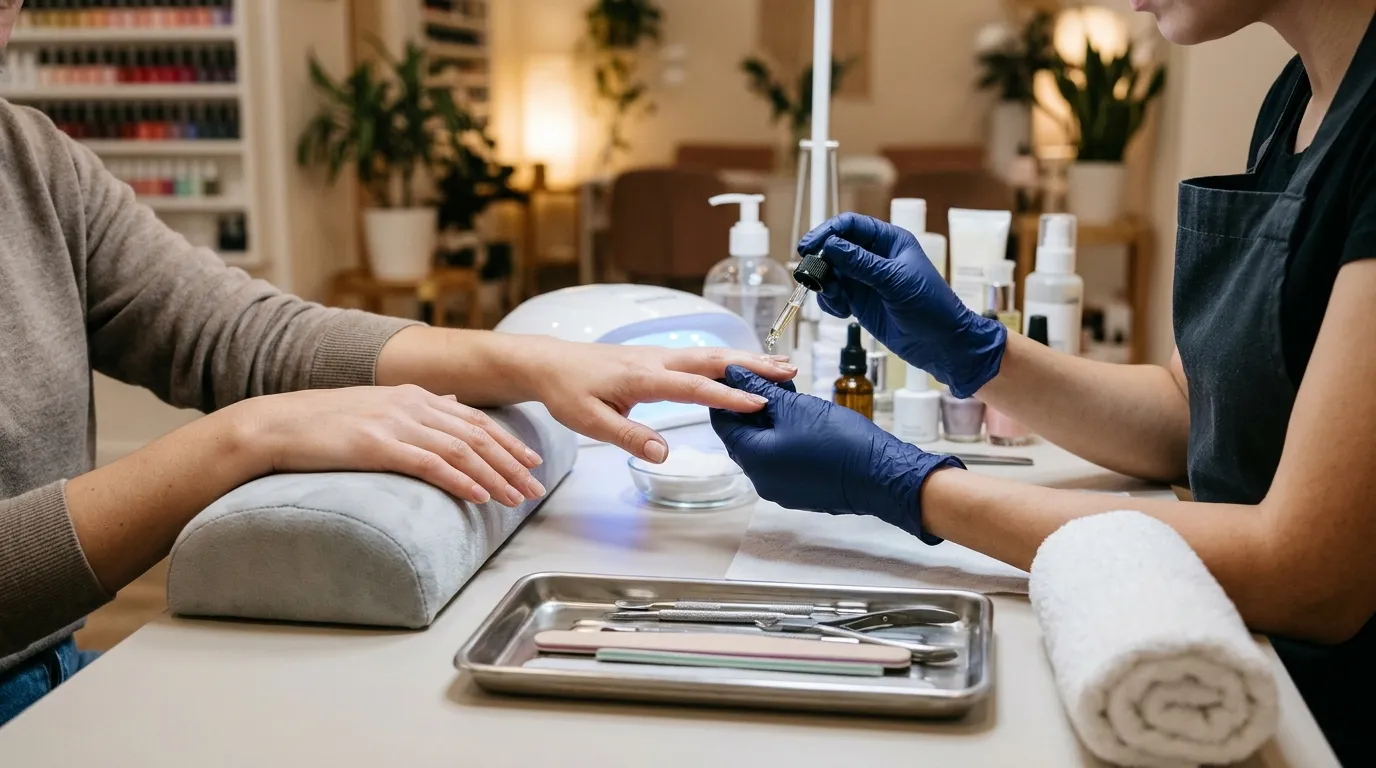
Nail care extends far beyond aesthetic appeal; it is an essential component of maintaining the structural integrity of the nail plate, protecting the surrounding periungual skin, and preventing common microbial or mechanical damage. Whether visiting a salon for professional enhancements or maintaining natural nails at home, understanding the chemical and physical characteristics of different treatments is vital for long-term nail health.
Part 1: Popular Professional Nail Treatments
Professional nail services have evolved significantly, offering specialized formulations designed to balance durability with nail plate preservation.
- Traditional Regular Polish: Applied in a multi-step process (base coat, two color coats, top coat), traditional polish relies on solvent evaporation to air-dry. It is the least damaging to the nail plate because removal requires only gentle, non-acetone or acetone-based solvents without mechanical scraping or UV curing.
- Gel Polish (Soft Gel): Cured under UV or LED light emitting diodes, gel polish provides high gloss and chip resistance lasting 2 to 3 weeks. While the polish itself is flexible, improper removal—specifically forceful peeling or excessive acetone soaking that dehydrates the keratin plate—is the primary cause of thinning and delamination.
- Hard Gel Extensions: Sculpted using thick-viscosity acrylates cured under UV/LED light, hard gels create rigid structural extensions. Unlike soft gels, hard gel cannot be soaked off with acetone; it must be mechanically filed down by a trained technician.
- Acrylic Nails: Created by combining a liquid monomer (ethyl methacrylate) with a powdered polymer, acrylics harden via a chemical polymerization reaction without requiring a UV lamp. They offer superior structural strength for long extensions but require precise application and careful removal to avoid damaging the underlying nail bed.
- Dip Powder Treatments: A hybrid system utilizing a cyanoacrylate base resin dusted with colored acrylic polymer powder, activated by a specialized sealant. Dip powders provide exceptional durability without requiring UV light, though meticulous removal protocols are necessary to prevent nail dehydration.
Part 2: Nail Anatomy and Physiology
To properly care for nails, it helps to understand what they are made of:
- The Nail Plate: Composed of tightly packed, dead, keratinized cells. It does not "breathe" and relies entirely on blood vessels in the nail bed for nutrient supply.
- The Cuticle: A delicate layer of live and dead skin cells at the base of the nail plate. Its primary function is to seal the nail matrix against moisture and bacterial invasion. Aggressive cutting or pushing back of the cuticle compromises this protective seal, increasing the risk of paronychia (bacterial infection).
Comparison of Professional Nail Services
| Treatment Type | Application Method | Typical Longevity | Removal Process | Primary Consideration |
|---|---|---|---|---|
| Regular Polish | Air-dry solvents | 5 to 7 days | Non-acetone remover | Minimal chemical impact; prone to chipping |
| Gel Polish | UV/LED Cured | 2 to 3 weeks | 10–15 min acetone soak | Avoid peeling to protect surface keratin |
| Dip Powder | Resin & Polymer Dust | 3 to 4 weeks | Filing & acetone wrap | Durable; requires careful soaking to remove |
| Acrylic Extensions | Liquid Monomer & Polymer Powder | 3 to 5 weeks | Mechanical filing & soaking | High structural strength; risk of thinning if improperly removed |
Part 3: Step-by-Step Home Care and Maintenance Protocol
- Hydrate Daily with Cuticle Oil: Apply a nourishing cuticle oil containing squalane, jojoba oil, or vitamin E twice daily. Lipids penetrate the periungual skin and prevent the nail plate from becoming brittle and splitting.
- Wear Gloves During Wet Work: Prolonged exposure to water causes the nail plate to expand and contract repeatedly (a process known as water-logging), which weakens intercellular bonds and leads to peeling. Wear waterproof gloves when washing dishes or cleaning with harsh chemicals.
- Never Peel Off Gel or Acrylics: Forceful picking or peeling strips away the top layers of keratin along with the product, leaving the nail plate dangerously thin, rough, and sensitive.
- Incorporate Rest Periods: If you frequently wear enhancements, allow your nails a 1-to-2-week recovery window every few months to recover natural moisture balance and structural resilience.
Frequently Asked Questions (FAQ)
Do artificial nails cause your natural nails to "suffocate"? No. The nail plate is composed of dead keratinized cells and does not require oxygen exchange from the external air. Nail damage associated with enhancements is almost always caused by mechanical trauma during improper removal or over-filing of the nail plate.
Why do my nails peel in horizontal layers? Nail peeling (lamination) is typically caused by excessive hand washing, frequent exposure to harsh cleaning detergents, or chronic dehydration. Applying barrier-repairing hand creams and cuticle oils regularly resolves most mild peeling.
Are LED and UV lamps used for gel nails safe? Dermatological studies indicate that standard UV and LED nail lamps emit low levels of UV radiation. While the risk of skin damage is low for occasional manicures, applying a broad-spectrum sunscreen to your hands 20 minutes prior to your appointment provides effective protection.
Sources & Further Reference
- American Academy of Dermatology (AAD) – Nail Care Tips and Common Disorders
- Journal of the European Academy of Dermatology and Venereology – Effects of Cosmetic Nail Products on Nail Plate Integrity
- Cleveland Clinic – Understanding Nail Anatomy and Healthy Maintenance