While flexibility and mobility are frequently used interchangeably, they represent two distinct physiological qualities. Flexibility is the passive ability of a muscle to lengthen and stretch, whereas mobility is a more comprehensive metric combining flexibility, muscular strength, joint articulation, and nervous system control through an active range of motion.
Developing both qualities is essential for injury prevention, efficient movement mechanics, posture correction, and long-term joint health. This comprehensive guide breaks down the core principles, methodologies, and structured routines required to systematically improve your flexibility and mobility.
Part 1: Flexibility vs. Mobility — Understanding the Difference
- Flexibility (Passive Range): Focuses on soft tissue length. For example, grabbing your toes in a seated forward fold tests your hamstring and lower back flexibility. It relies heavily on static holding and relaxed muscle tissue.
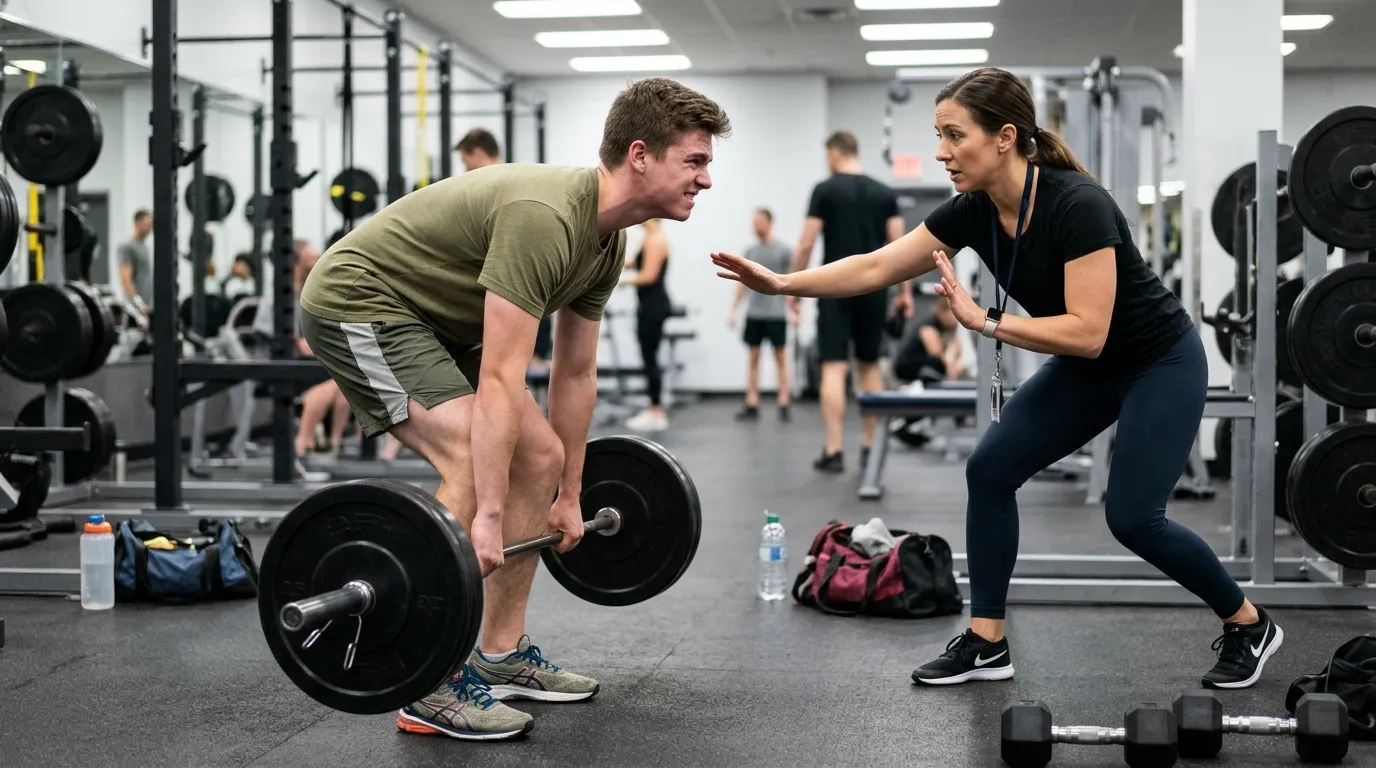
- Mobility (Active Control): Focuses on joint performance under load and control. For example, deep-squatting with an upright torso requires mobility across the ankles, knees, hips, and thoracic spine. You can possess high passive flexibility without having the neuromuscular strength to control that range of motion.
Part 2: Core Modalities for Improvement
A well-rounded movement practice incorporates different stretching and conditioning techniques tailored to specific training phases:
- Dynamic Stretching (Pre-Workout): Active movements where joints and muscles go through a full range of motion (such as walking lunges, arm circles, or leg swings). This increases core body temperature, lubricates joint capsules, and primes the nervous system for exercise.
- Static Stretching (Post-Workout): Holding a stationary stretch position for 20 to 60 seconds at a point of mild, comfortable tension. This targets connective tissue adaptation and gradually increases resting muscle length when performed consistently after workouts when muscles are warm.
- Controlled Articular Rotations (CARs) and Mobility Drills: Active, slow-speed circular movements of individual joints (such as shoulder or hip CARs) designed to maximize joint health, synovial fluid circulation, and neurological body awareness.
Comparison of Stretching Modalities
| Modality | Best Timing | Primary Physiological Goal | Typical Duration / Volume |
|---|---|---|---|
| Dynamic Stretching | Before exercise / Warm-up | Elevate core temperature, activate nervous system | 5–10 minutes (10–15 reps per movement) |
| Static Stretching | After exercise / Cool-down | Lengthen resting muscle tissue, reduce post-workout tension | 20–60 seconds per hold (2–3 sets) |
| Active Mobility Drills | Daily or morning routine | Improve joint articulation and active neuromuscular control | 10–15 minutes daily |
Part 3: Step-by-Step Daily Mobility Routine
Integrate this 15-minute routine into your morning schedule or use it as an active recovery session on rest days:
- Cat-Cow Spine Articulation (2 Minutes): On hands and knees, slowly alternate between arching your back toward the ceiling (chin tucked) and dropping your chest toward the floor (gaze forward) to mobilize the entire spinal column.
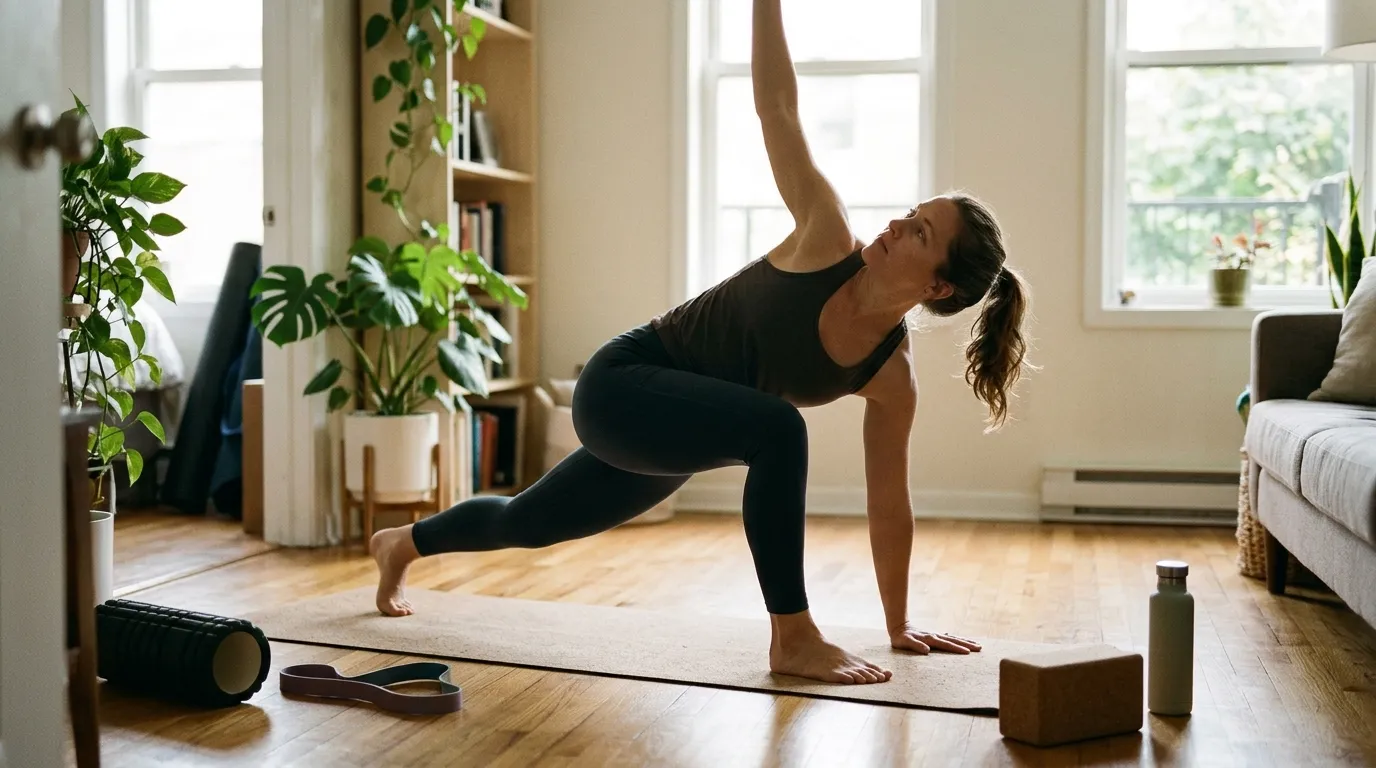
- World’s Greatest Stretch (3 Minutes per Side): Step into a deep lunge with your right foot forward, drop your back knee lightly, and rotate your right arm upward toward the ceiling, following your hand with your eyes. Hold for 3 seconds, return to the floor, and repeat 5 times per side.
- 90/90 Hip Switches (3 Minutes): Sit on the floor with your knees bent at 90-degree angles—one leg rotated inward in front of you, the other rotated outward behind you. Without using your hands if possible, smoothly rotate your knees to the opposite side, opening both hip capsules.
- Thoracic Foam Rolling or Open-Book Rotations (3 Minutes): Lie on your side with knees stacked at 90 degrees and arms extended in front. Slowly open your top arm backward in a sweeping half-circle, letting your upper back rotate while keeping your knees pinned to the floor.
Frequently Asked Questions (FAQ)
Should I stretch before or after a workout? Prioritize dynamic stretching before exercise to warm up muscles and lubricate joints. Save static stretching for after your workout (or as a standalone evening session) when your body is fully warmed up and you want to encourage muscle relaxation and length.
Does stretching prevent muscle soreness (DOMS)? Extensive sports science research shows that pre- or post-exercise stretching does not significantly reduce delayed onset muscle soreness (DOMS). However, maintaining regular mobility practices improves overall movement efficiency and recovery speed.
How long does it take to see noticeable improvements in flexibility? With consistent daily practice (10 to 15 minutes, 4 to 5 times per week), most individuals notice measurable improvements in joint range of motion and reduced stiffness within 3 to 4 weeks.
Sources & Further Reference
- American College of Sports Medicine (ACSM) – Standards for Flexibility and Mobility Programming
- National Academy of Sports Medicine (NASM) – Integrated Training and Corrective Exercise Concepts
- Journal of Strength and Conditioning Research – Effects of Dynamic and Static Stretching on Performance